by Ryan | From the Interns, Tea Education
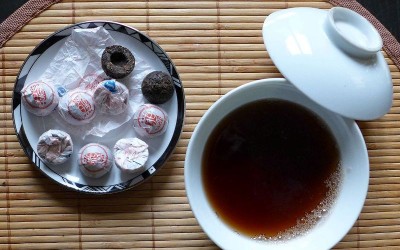
For most of its history, a teawright created pu-erh using the techniques to make sheng. But, the process is slow, and it takes many years for pu-erh tea to be crafted this way. As demand for pu-erh increased, many tea companies began to look for a way to speed up the process. So, in 1973, the Menghai Tea Factory and the Kunning Tea Factory devolved a method they called “Wo Dui”. This roughly means “wet piling” in English.
by Ryan | From the Interns, Tea Education
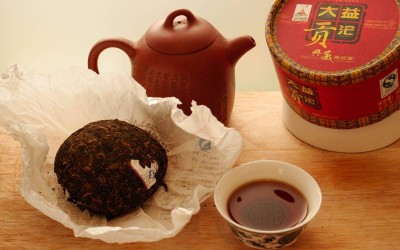
Pu-erh is an aged tea that has its origins in the Yunnan province of China. This tea has been a popular drink and export from the province for hundreds of years. It’s cultivated from the wild tea trees (the Camellia Sinensis plant that all tea comes from) that grow on the mountains. Local teawrights craft the leaves, and then allow it to age for many years. It’s during this aging process that the leaves will undergo fermentation.
by Ryan | From the Interns, Tea Education
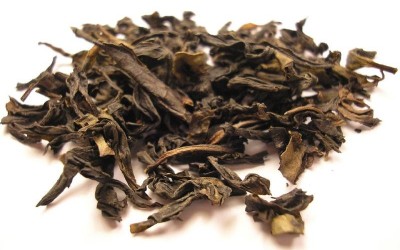
For much of its history, the oxidation process in tea crafting has been erroneously referred to as the “fermentation step”. This is because people assumed that the change of color in the leaves was the result of traditional fermentation. This is not the case, as fermentation requires microorganism, such as yeast. As advances in technology made it easier to study molecular chemistry, tea crafters were able to identify this process as oxidation, rather than fermentation.

by Caleb Hodes | Adventures in Starting the Business, From the Interns
It’s happening again. Boston Teawrights is hosting another Summer internship program. This year we’re working with Ryan. You’ll likely see his face around these parts from time to time, and we hope it’s an enjoyable experience. So let’s start with his introduction.
Introducing, Ryan Hallihan!
by Louise | From the Interns, Tea Education
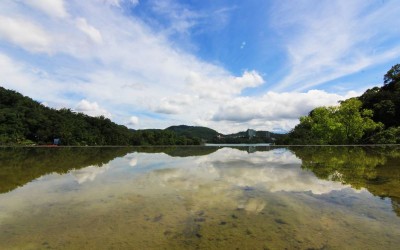
In Louise's final post as Summer intern, she discusses where our own tea comes from--the heart of Taiwan, Nantou County.
by Talia | From the Interns, Tea Craft
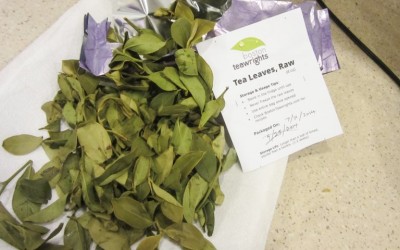
Intern Talia loved getting to hear everyone's stories about their tea creations, but this week it was her turn to try it for herself! She's excited to say she tried making a green tea and a black tea so she could have the firsthand knowledge of the process of making both kinds. Instead of expanding on what crafting tea meant to her emotionally and personally, she wants to share the practical knowledge she gained from making the tea. She hopes it helps you understand a bit more in detail about what goes into the process.

by Talia | From the Interns, Inspiration
This week, I decided to take a break from the interviews to explore some of the ways I relate the craft tea movement or the foodie movement with the kinds of people that subscribe and belong to them. I thought a poem would get across my ideas in an artistic way while...

by Louise | From the Interns, Tea Education
When people talk about where tea is grown, the image in most minds is a mountain or humid field somewhere in Asia. People are also fairly familiar with the idea of tea being grown in Africa, although most of that tea makes its way to Europe. Few are aware, though, that there's a growing movement of tea growers here in the United States.
In her quest to learn more about tea growth and terroir, intern Louise interviewed two folks working on US tea. She talked with Colonel Jason McDonald of the Great Mississippi Tea Company, and consultant Nigel Melican of Teacraft, Ltd. These two are collaborating to create a 5+ acre tea plantation in Mississippi. A unique idea in many many ways. Read here to learn what Louise discovers about the uniqueness of growing tea, let alone in Mississippi.
by Talia | From the Interns, Tea Craft, Your Stories
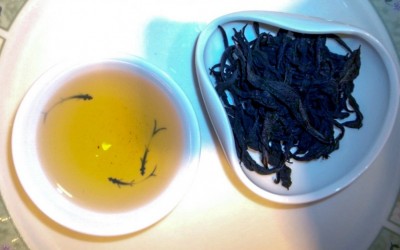
Well, it’s time for interview number three. I don’t know about you all, but I have loved getting to hear different perspectives on the unique process of crafting tea. It’s been great to understand what makes for a tea enthusiast, whether it is past experience or...
by Louise | From the Interns, Tea Education
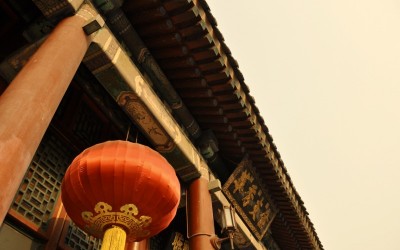
As we can see from the elements of terroir, tea relies heavily on where it’s grown. All tea comes from the same plant, Camellia Sinensis, which has many varieties. The major tea-growing regions include China, India, Japan, Sri Lanka, and Taiwan. Each of these have various micro-climates and soil differences, creating a spectrum of tea flavor. However, certain regions are well known for producing specific types of tea.
by Talia | From the Interns, Your Stories
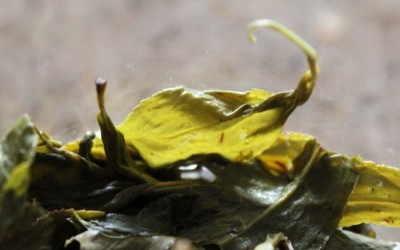
For my second interview, I was glad to find someone with passion for craft itself. Nathan, another Teawrights customer, loves anything he can make with his own two hands that he can use for a purpose. It was so interesting to find out about all the different things he...
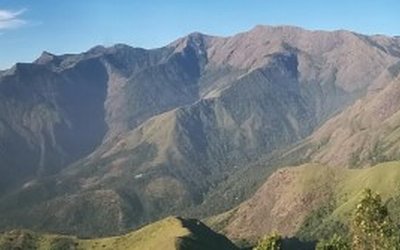
by Louise | From the Interns, Tea Education
In general, tea plants grow well in tropical or subtropical regions where rainfall is abundant, humidity is high, and the dry season is no longer than 90 days, and temperatures never fall lower than 23° F. Although this generalization applies to tea plants around the...

by Mairead | From the Interns, Tea Education
From our series on the history of Tea. An exploration of how tea was introduced to England and became the popular drink it is today.
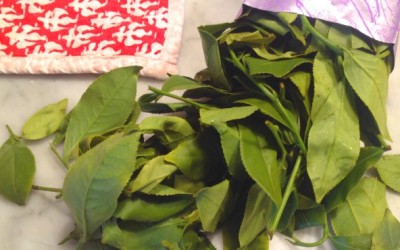
by Talia | From the Interns, Your Stories
An interview with Shannon Sadowski, discussing her history with tea, her Teawrights experience, and other stories.
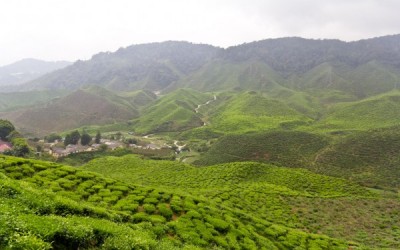
by Louise | From the Interns, Tea Education
Tea dates back as far as 2737 BC, when legend claims it was discovered in China. Today, tea is grown and consumed all around the world, but where it’s grown plays a crucial role in how the tea develops and tastes. This concept is known as terroir, the environmental conditions, particularly soil and climate, which influences the flavor and aroma of any given food or beverage. There’s a lot that goes into tea terroir, but let’s start off with the basics!
by Caleb Hodes | Adventures in Starting the Business, From the Interns
This Summer marks the first time Teawrights runs an internship program. I'm very excited about this, because it also informally means Teawrights is growing internally. Hopefully I don't stumble up too much! Fortunately I have a little outside help on this.
